
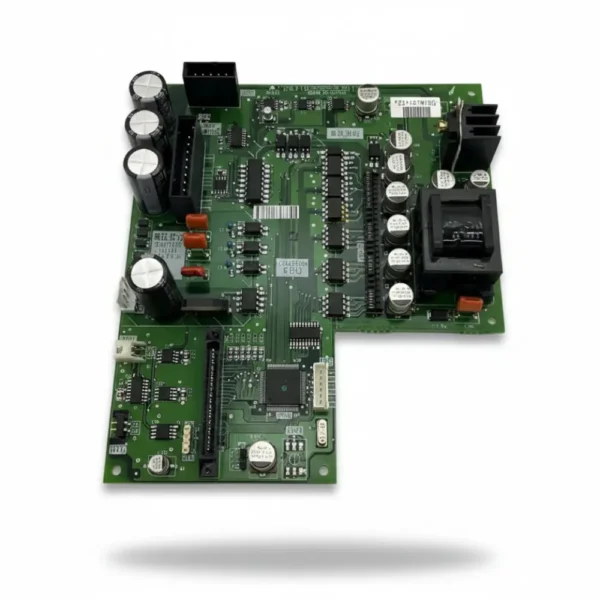
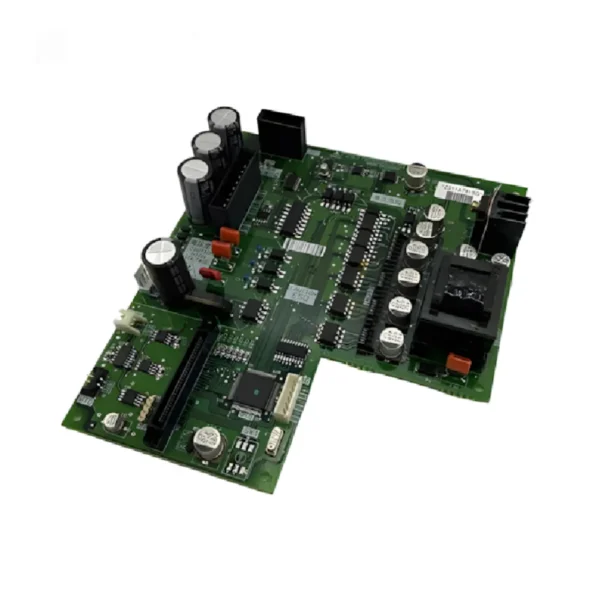
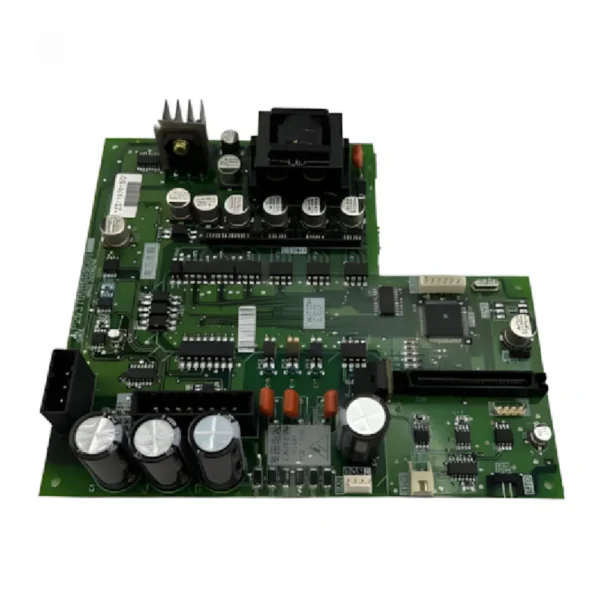
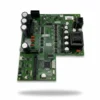
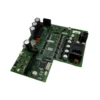
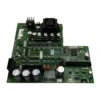
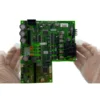
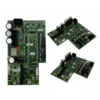
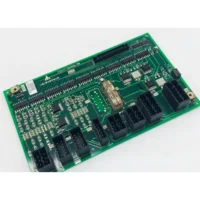
Elevator Interface & Distribution Board
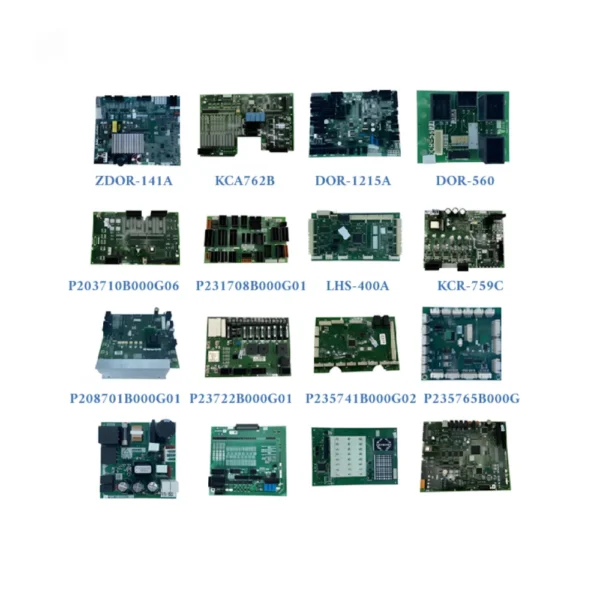
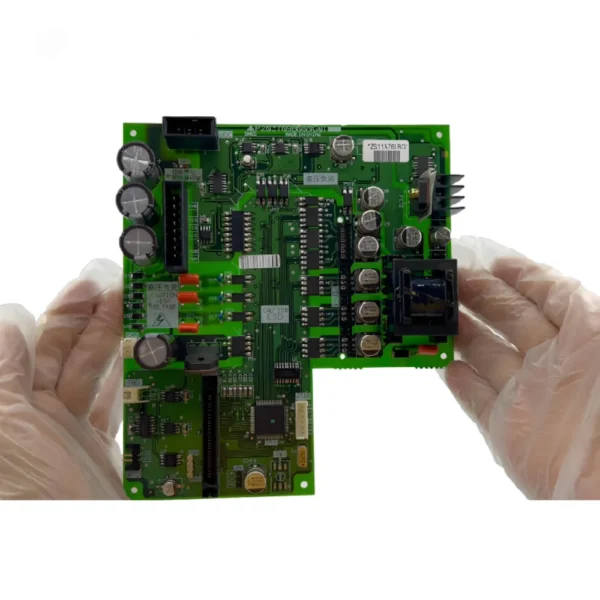
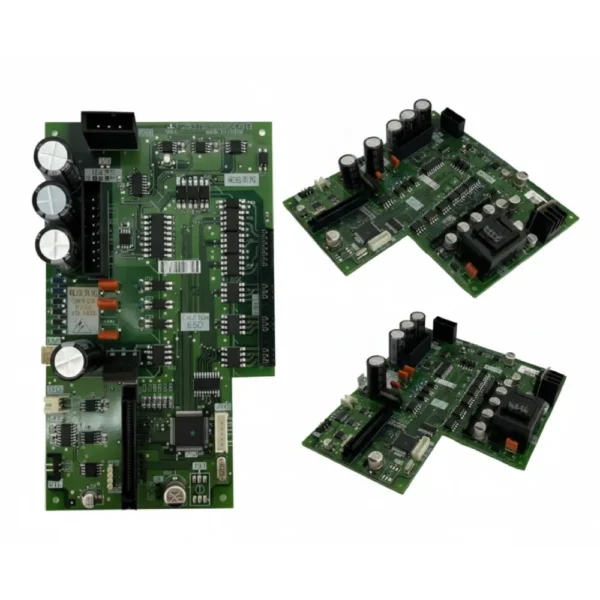
Based on the provided model “P203709B000G01”, here is a detailed analysis and description:
1. Model Parsing and Category
-
P203709 Series:
This prefix identifies the specific hardware architecture used in Mitsubishi’s NexWay and ELENESSA elevator series. It belongs to the electronic control ecosystem responsible for signal processing between the car and the main controller.
-
B000G01 (Sub-code):
The “B000” typically refers to the hardware revision or basic configuration, while “G01” denotes the specific functional version (Group 01). This version is often configured for standard signal distribution, including landing calls, display data, and safety circuit monitoring.
2. Detailed Technical Parameters and Application Scenarios
(1) Technical Parameters
| Parameter | Description |
| Component Type | Multilayer Printed Circuit Board (PCB) with Surface-Mount Technology (SMT). |
| Input Voltage | Typically operates on DC 24V (Control Power) with onboard regulation for logic circuits (5V/12V). |
| Connectivity | High-density pin connectors for interfacing with Car Operating Panels (COP) and Hall Lanterns. |
| Signal Processing | Integrated logic chips for CAN-bus or Serial communication protocols used by Mitsubishi. |
| Durability | Coated with industrial-grade protective resin to resist dust and humidity in elevator shafts. |
(2) Application Scenarios
-
Signal Distribution: Acts as a “hub” for wiring, reducing the number of cables running from the machine room to the car.
-
Peripheral Interface: Manages signals for floor displays, push buttons, and voice announcers.
-
System Diagnostics: Provides feedback to the main CPU regarding the status of the elevator’s peripheral modules.
3. Installation and Replacement Considerations
-
Compatibility: This board is specific to Mitsubishi systems. Ensure that the “P” number matches exactly, as different versions (e.g., G02 or G03) might have different firmware or connector layouts.
-
Static Safety: Since this is a sensitive electronic component, it must be handled in an ESD-safe environment (Electrostatic Discharge) to prevent damage to the microchips.
-
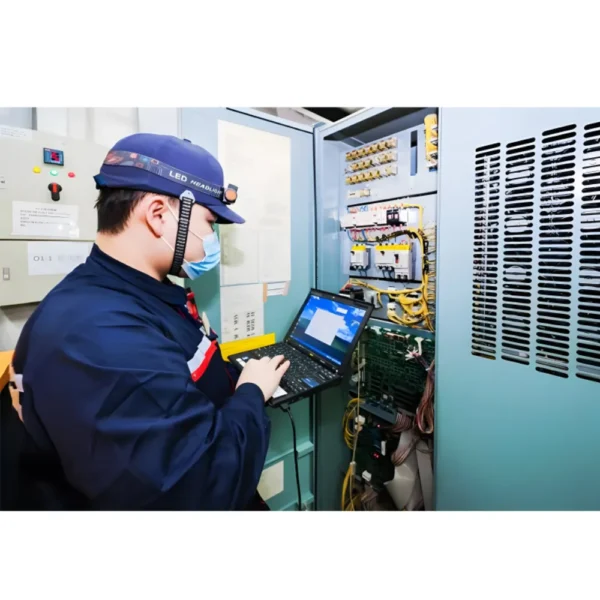
Verification: After installation, the elevator system may require a “Self-Check” or reset from the main controller to recognize the new board and resume normal communication.

Reviews
There are no reviews yet.