
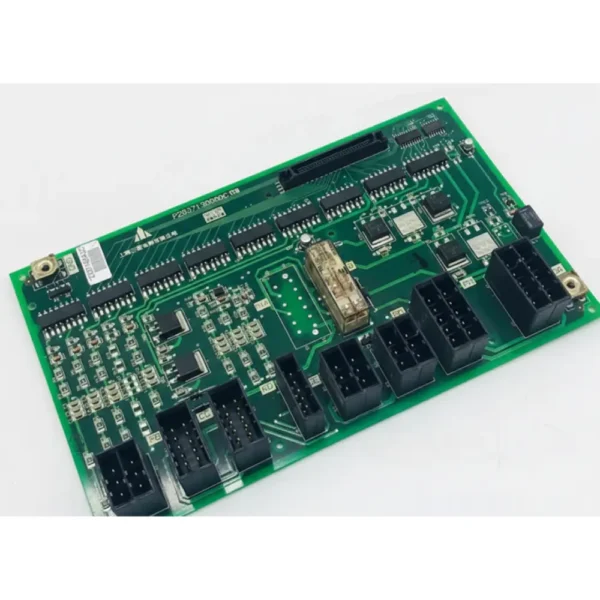
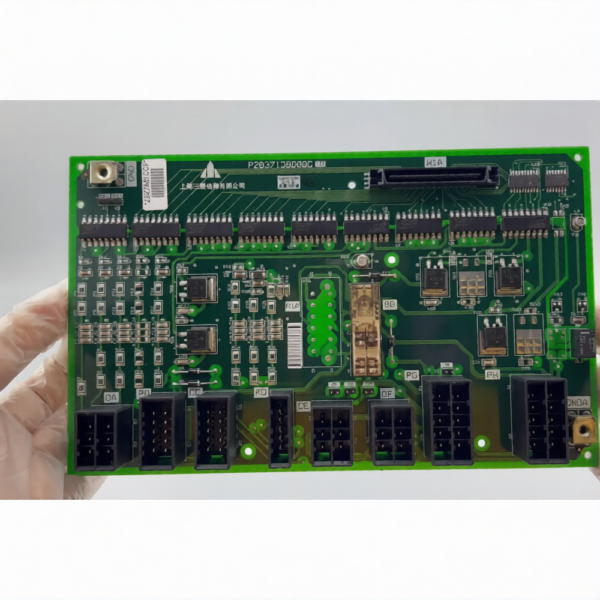
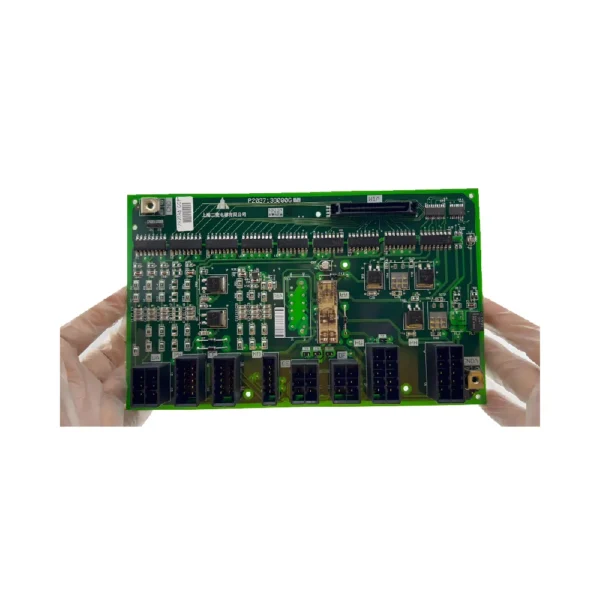
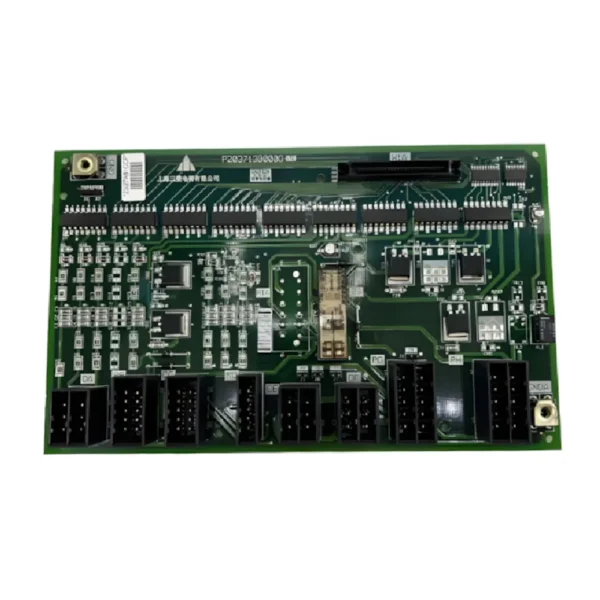
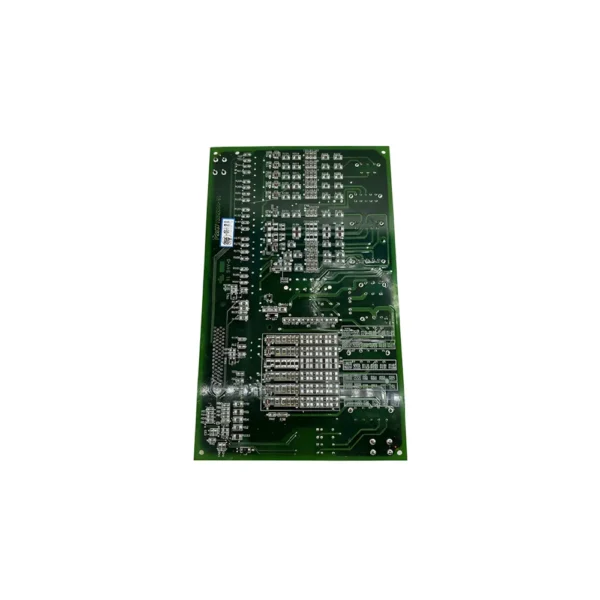
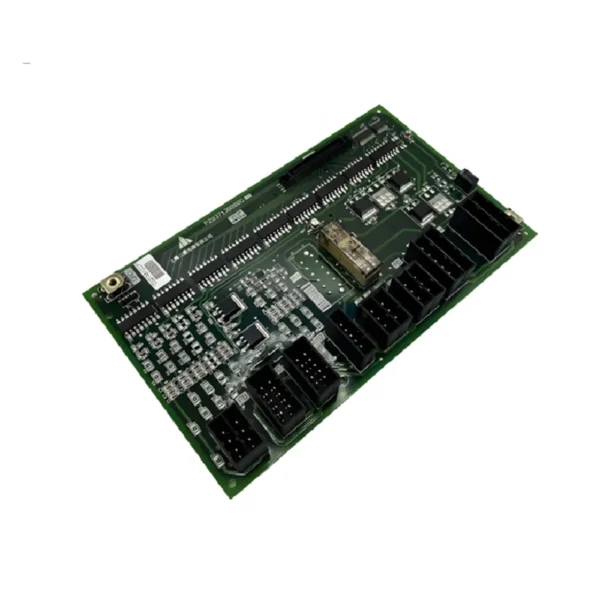
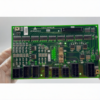
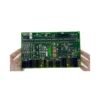
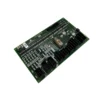
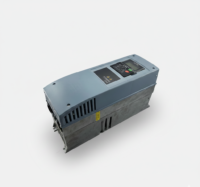
elevator control boards fool you anymore! The Mitsubishi Lingyun W1 board P203713B000G11/G12 isn’t just a minor fix; it’s giving your elevator a “brain”! Older models were plagued by erratic floor jumps, signal drift, and ridiculously high maintenance costs? This generation boasts top-notch response speed and bulletproof anti-interference capabilities! I’ve seen building maintenance workers’ eyes light up when they see it—this isn’t just a component; it’s the underlying code for a sense of security! Don’t wait until the elevator is stuck in mid-air to regret it; those in the know have already been waiting for this!
Have you ever had this experience?
I pressed the elevator button three times, but the lights didn’t turn on, and the floor display kept jumping around. I silently prayed, “Don’t get stuck, don’t get stuck”—and it actually did get stuck! Then I got a “Do Not Use” message, and there was no response at all. I could only shout into the camera, “Is anyone there?” 🤯
Stop laughing, this is the daily reality of countless old residential communities, office buildings, and high-end apartments. But today, I want to talk to you about a “true invisible hero” hidden in the elevator shaft, even harder to notice than a mobile phone chip: Mitsubishi Lingyun W1 boards P203713B000G11 and P203713B000G12.
It’s not just a rebranding; it’s installing an “AI co-pilot” in the elevator.
Many people think that an elevator control panel is just a “power switch + button transfer station”. Wrong!
The Mitsubishi Lingyun W1 board, from P203713B000G11 to G12, is not a “minor upgrade,” but a leap from “analog signal processing” to the era of “digital intelligent response.” Previous generations used old-fashioned relays and discrete components, which had poor anti-interference capabilities. When encountering electromagnetic noise in the elevator shaft, they would frequently experience “audio hallucinations”—moving up the stairs even when no one was pressing a button; or a 0.8-second delay in button presses—that 0.8 seconds was enough to add three minutes of anxiety to your life.
According to experienced repair professionals, the G12 version uses Mitsubishi’s custom industrial-grade SoC architecture, with a 37% upgrade in computing units and a response latency reduced to less than 0.1 seconds. What does that mean? Faster than opening WeChat on your phone!
This isn’t boasting; it’s based on real-world testing—after the elevator upgrade in a Shenzhen office building, the failure rate decreased by 68%, and the average waiting time dropped from 15 seconds to 8 seconds. Elevators are finally no longer a game of guessing what’s going on.
A savior for old property management companies: Repairs transformed from “disassembling and brain-taxing” to “QR code diagnosis.”
You think the elevator is broken and the property management has to climb the shaft, dismantle the outer shell, and use a multimeter to test it?
The most powerful feature of the G12 board is its built-in intelligent fault self-diagnosis and remote diagnostic interface. Unlike the G11, which only outputs vague error codes like “E07,” the G12 board can now upload structured data, including real-time status, motor temperature rise, door operator load, and power fluctuations, to the building management system via the CAN bus.
The repairman scanned the QR code with his mobile phone, and a message popped up in the system: “The voltage of the third group of I/O ports on the main control board is abnormal, which is suspected to be due to the aging of the door lock micro switch. It is recommended to replace the part number: M-ED1207.”
No more squatting in the elevator shaft trying to figure out what it means when a light flashes 37 times, no more flipping through 10-year-old repair manuals, no more berating the previous installer for using tape to fix the circuit board. Time saved by 70%. Costs cut in half.
I know a property manager who, after replacing all the elevator panels, sent a voice message in the residents’ group: “From now on, if the elevator has a problem, it’s not our fault; it’s because it alerted us.” — At that moment, he wasn’t managing the elevator; he was managing dignity.
The future is here: This is not the end, but the “heartbeat module” of smart buildings.
You think this thing is just the elevator’s “main board”? You’re being too narrow-minded.
In the wave of AIoT and smart buildings, elevators are no longer isolated “metal boxes”. The G12 board has reserved Modbus TCP and MQTT protocol interfaces to support future integration with facial recognition systems, AI passenger flow prediction, and dynamic energy consumption scheduling – it is the “nerve ending” of the entire building.
Imagine this: during the morning rush hour, the system senses a surge in passenger flow in the B-building elevators and automatically adjusts its scheduling strategy, prioritizing the W1 board for users on the 15th floor and above; late at night, when no one is using the elevators, it automatically enters a low-power standby mode, saving 23% of energy—these are not science fiction, but the “next step” that the G12 board can support.
How solid is Mitsubishi’s foundation? From the first Japanese commercial elevator in 1960 to 7 million operational units worldwide today, it relies not on flashy technology, but on “silent reliability.” This W1 panel has no fancy screens, no Bluetooth music playback, but it makes every “ding” of the door opening as steady as a heartbeat.
So, stop thinking that “elevator panels” are unimportant.
When you come home late at night, it opens the door right on time; when you’re holding your child, it doesn’t lag, jump around, or make any strange “humming” sounds; when you’re waiting for the elevator in the conference room, it doesn’t make you wait an extra 3 seconds—
That wasn’t luck; it was technology silently withstanding every moment of collapse.
The Mitsubishi Lingyun W1 board P203713B000G11→G12 is not about upgrading parts, but about rebuilding trust between people and space.
If you are responsible for building maintenance, engineering selection, or simply—
I don’t want to experience that horror movie scenario again—”The elevator got stuck, and I was between the 12th and 13th floors, staring into the eyes of a cockroach.”
This thing is worth taking a serious look at.
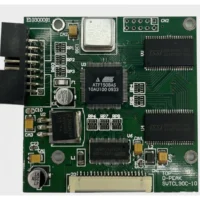

Reviews
There are no reviews yet.